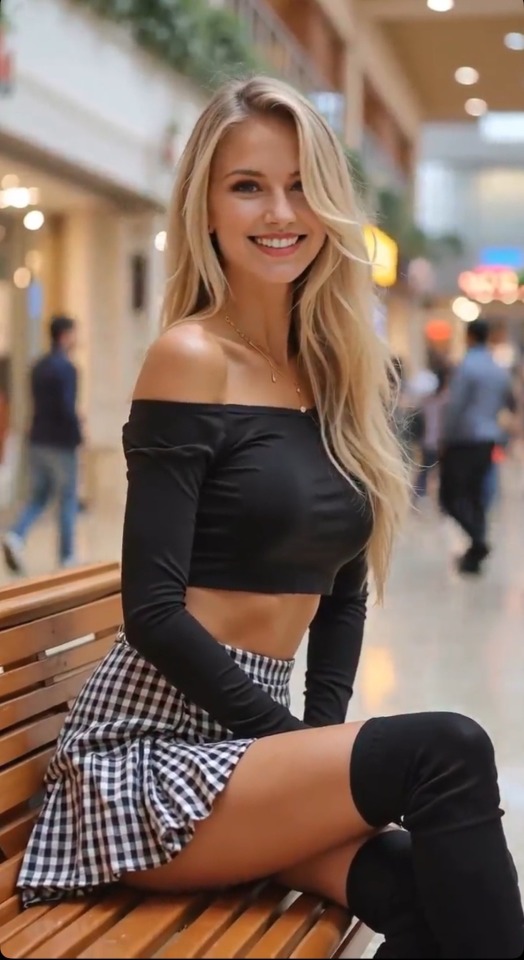
Artificial intelligence (AI) has reshaped the creator economy. What started as experimental avatars has evolved into full digital personalities generating income, landing brand deals, and even competing with human influencers.
In fact, AI influencers (like Lil Miquela and Aitana López) are already earning tens of thousands of dollars per month through sponsorships and subscriptions.
The industry is projected to exceed $1.5 billion by 2026.
Discover how you can create an AI influencer (from concept to monetization).
How to Create an AI Influencer in 2026 (Guide and Tips)
What Is an AI Influencer?
An AI influencer (or virtual influencer) is a computer-generated character that behaves like a real social media personality. They:
- Post images, videos, and stories
- Have a consistent personality and aesthetic.
- Engage with followers
- Partner with brands
Unlike traditional influencers, they are fully controllable, scalable, and automated.
Why AI Influencers Are Exploding in 2026
Recent reports show that AI influencers are mainstream:
- Brands are investing in AI creators to reduce costs and increase control.
- Entire competitions and awards now exist for AI personalities.
- Some audiences can’t distinguish AI from real humans.
However, this rise also comes with debates around authenticity and ethics (something you’ll need to consider when building your AI Influencer.

Step-by-Step: How to Create an AI Influencer
1. Define Your Character (This Is Everything)
Before touching any tools, design your influencer like a real person:
- Name, age, background
- Personality (funny, luxury, relatable)
- Niche (fitness, fashion, tech, travel)
- Target audience
💡 Pro tip: The most successful AI influencers feel human, not perfect. (Imperfections = relatability).
2. Generate a Realistic Face & Body
Use AI image generation tools to create your influencer’s look.
Popular tools in 2026:
- Stable Diffusion (free, customizable)
- Midjourney (beginner-friendly)
- Artbreeder (control over features)
Your goal:
- Photorealistic skin texture
- Consistent facial features
- Recognizable identity
👉 Consistency is critical. If your character changes every post, you lose credibility.
3. Solve the Consistency Problem
This is where most beginners fail.
From real creator workflows:
The key to consistency is structured prompts.
How to fix it:
- Save your prompt templates.
- Use seed numbers or reference images.
- Train LoRA/custom models (advanced)
4. Create Content (Images → Video → Voice)
Modern AI influencers are multimedia brands, not just static images.
Content stack:
- Images → AI generators
- Videos → animation + motion tools
- Voice → AI voice synthesis
AI influencer generators now allow:
- HD video creation
- Motion animation
- Facial expressions and lip-sync
5. Build a Content Pipeline
Treat this like a media company.
A typical workflow:
- Generate content in batches.
- Write captions using AI.
- Schedule posts
- Repurpose across platforms
Automation is what makes AI influencers scalable (no burnout, no delays).
6. Choose Platforms
Best platforms for AI influencers in 2026:
- Instagram → visuals + lifestyle
- TikTok → viral short-form video
- YouTube → storytelling & monetization
💡 Strategy tip: Start with one platform, dominate it, then expand.
7. Grow Your Audience
Growth works similarly to human influencers:
- Post consistently
- Follow trends
- Engage in comments
- Collaborate (even with real creators)
But here’s the twist:
AI influencers can post daily or multiple times per day with minimal effort.
8. Monetize Your AI Influencer
This is where things get interesting.
Revenue streams:
- Brand sponsorships
- Affiliate marketing
- Subscription content
- Digital products
- AI-generated ads
Some AI influencers already earn:
- $10K–$100K/month from brand deals and platforms.
Tools You’ll Need (Simple Stack)
Beginner stack:
- Image generation → Midjourney / Stable Diffusion
- Video → Runway / Pika
- Voice → ElevenLabs
- Scheduling → Buffer / Hootsuite
Advanced stack:
- Custom AI models (LoRA / fine-tuning)
- Automation workflows
- Multi-platform content pipelines
Common Mistakes to Avoid
❌ Making your character too perfect
❌ Inconsistent visuals
❌ No personality/story
❌ Posting without a strategy
❌ Ignoring ethical transparency
Ethical & Legal Considerations
This is becoming a big issue in 2026:
- Audiences may not realize content is AI-generated
- Some brands require disclosure.
- Copying real creators can cause backlash.
As seen in recent reports, AI influencers have already sparked concerns about authenticity and job displacement.
👉 Best practice: Be transparent or build a clearly fictional persona.
AI Influencer 2026
Creating an AI influencer in 2026 is no longer a technical challenge—it’s a creative and strategic one.
The real differentiators are:
- Storytelling
- Consistency
- Branding
- Audience connection
The tools are accessible. The opportunity is massive. But the winners will be those who treat their AI influencer as a real digital brand.
Frequently Asked Questions (FAQ) About AI Influencers
1. What exactly is an AI influencer?
An AI influencer is a digitally created personality that exists online and behaves like a human content creator. They post photos, videos, stories, and interact with followers (everything is generated using artificial intelligence).
2. Are AI influencers real people?
No—they are completely virtual. However, they are often designed to look and act so realistically that many people can’t tell the difference at first glance.
3. Who controls an AI influencer?
Behind every AI influencer is usually:
- A creator (individual or team)
- A marketing agency
- Or a company
They control the content, personality, and interactions.

4. How do AI influencers make money?
AI influencers generate income in similar ways to human influencers:
- Brand sponsorships
- Affiliate marketing
- Paid subscriptions
- Selling digital products
- Advertising campaigns
Because they don’t require travel, photoshoots, or downtime, they can be highly profitable and scalable.
5. Are AI influencers legal?
Yes, AI influencers are legal in most countries. However, there are important considerations:
- Disclosure requirements (some regions require you to disclose that content is AI-generated)
- Copyright and likeness issues
- Advertising regulations
Laws are still evolving as AI becomes more widespread.
6. Do people actually follow AI influencers?
Some AI influencers have millions of followers across platforms like Instagram and TikTok.
Their appeal comes from:
- Unique aesthetics
- Consistent content
- Curated personalities

7. Can AI influencers replace human influencers?
Not entirely.
AI influencers are great for:
- Brand control
- Scalability
- 24/7 content production
But human influencers still have:
- Real-life experiences
- Authentic emotional connection
- Trust is built over time.
Most experts believe both will coexist.
8. How much does it cost to create an AI influencer?
Costs vary widely:
- Beginner: $0–$100/month (using basic tools)
- Intermediate: $100–$500/month
- Advanced: $1,000+ (custom models, automation, teams)
You can start with a low budget and scale as your influencer grows.
9. What tools are used to create AI influencers?
Typical tools include:
- Image generation (e.g., Midjourney, Stable Diffusion)
- Video tools (Runway, Pika)
- Voice synthesis (ElevenLabs)
- Scheduling tools (Buffer, Hootsuite)
Advanced creators may also train custom AI models.

10. How do you keep the AI influencer consistent?
Consistency is one of the biggest challenges.
Solutions include:
- Using the same prompt structure
- Saving reference images
- Training custom models (LoRA)
- Defining strict character guidelines
Without consistency, the influencer will lose credibility.
11. Do AI influencers interact with followers?
Yes. Interaction can be:
- Fully manual (creator replies)
- Semi-automated (AI-assisted replies)
- Fully automated (chatbots)
Many creators combine all three approaches.
12. Is it ethical to create an AI influencer?
It depends on how it’s done.
Ethical concerns include:
- Transparency (are followers aware it’s AI?)
- Unrealistic beauty standards
- Job displacement
Being open about AI usage and avoiding deception is generally considered best practice.

13. Can beginners create an AI influencer?
Absolutely. In 2026, tools are more accessible than ever.
You don’t need:
- Coding skills
- Expensive software
- A large team
What matters most is creativity and consistency.
14. What makes a successful AI influencer?
The most successful AI influencers have:
- A strong personality
- A clear niche
- High-quality visuals
- Consistent posting
- Engaging storytelling
They feel like real characters, not generated images.
15. What are the biggest mistakes to avoid?
Common mistakes include:
- Inconsistent appearance
- Lack of personality
- Overly “perfect” look (feels fake)
- No content strategy
- Ignoring audience engagement
16. What’s the future of AI influencers?
AI influencers are expected to:
- Become more realistic (video + voice + real-time interaction)
- Be used more by brands and companies.
- Integrate into virtual worlds and AR/VR.
- Possibly become fully autonomous content creators
The space is open (there’s a huge opportunity right now).
AI Tools for You
https://www.bestprofitsonline.com/myblog/newai
AI-Powered Instagram and TikTok Growth – Free Trial
How to Increase Followers and Boost Engagement